

A Friday Evening Transformation
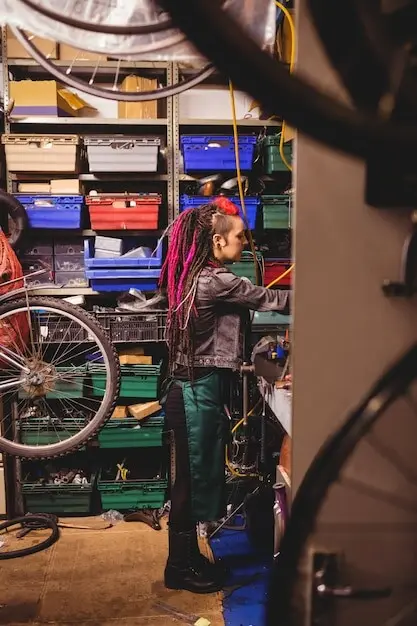
In a borrowed hall on a drizzly London evening, folding tables became a cheerful workshop. Someone brought fairy lights, another stacked biscuit tins, and soon a line formed beside a triage table. Anxious faces softened as volunteers explained options and risks, then invited owners to hold the screwdriver. By closing time, a radio sang again, a zip slid smoothly, and a shy teenager promised to return with friends, because learning together felt unexpectedly brilliant.
A Toaster, A Story, A Smile
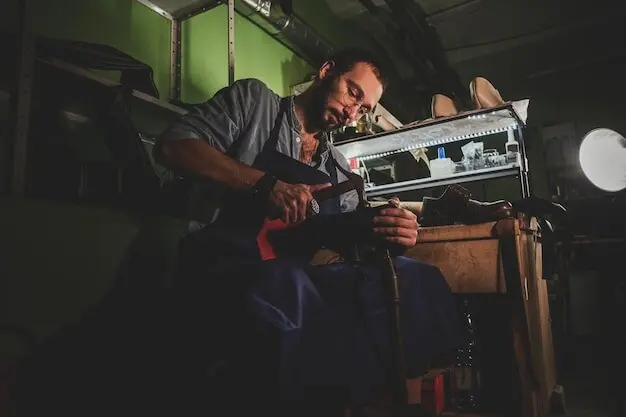
In Manchester, a well-loved toaster refused to pop. Its owner remembered wedding gifts and breakfasts with grown children. Step by step, a volunteer demonstrated continuity checks, spring mechanisms, and safe cleaning. They replaced a tiny part sourced from a shared spares box, then celebrated the first perfect slice. The fix cost nothing, yet saved memories from the bin, and sparked a plan to host a breakfast fundraiser for the next community workshop.
Threads, Bikes, and Tiny Triumphs
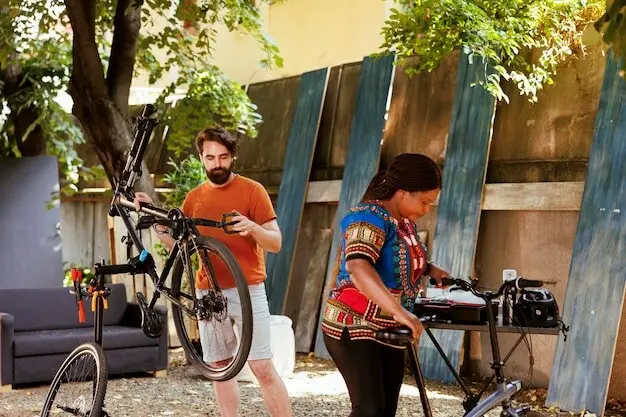
Glasgow’s Saturday crew welcomed a mend-it-all morning: loose bicycle brakes, a torn backpack strap, and a jumper with an unraveling cuff. Laughter mixed with careful explanations about cable tension, strong stitches, and wool blocking. Owners practiced each step until confidence clicked. None of the repairs felt spectacular alone, but together they shaped a rare feeling: people discovering capability with their own hands, and promising to return with cakes, questions, and patient enthusiasm.
Electronics Confidence Without Jargon
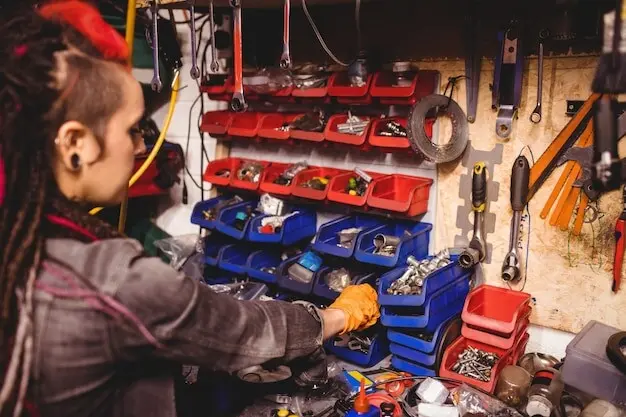
A friendly introduction to electricity begins with safety, then looks at fuses, cables, and connectors you actually encounter. Volunteers demonstrate how to trace faults methodically, read an inexpensive multimeter, and evaluate whether replacing a switch or capacitor is sensible. You will practice reassembly, strain relief, and labeling screws. By the end, the mystery becomes a sequence of small checks, and you gain language to discuss options honestly, including deciding when repair is not responsible.
Textiles With Heart and Patience
Cloth carries stories, so textile mentors teach fixes that preserve character. Expect guidance on invisible mending, sturdy patches, and creative darning that turns damage into art. You will learn to choose thread weights, needle sizes, and stitch patterns, then finish seams neatly. Mistakes become design features instead of disasters. When you wear the repaired garment home, compliments provide proof: skill grew in your hands, and waste stayed out of the bin for another season.
Prototyping for Curious Minds
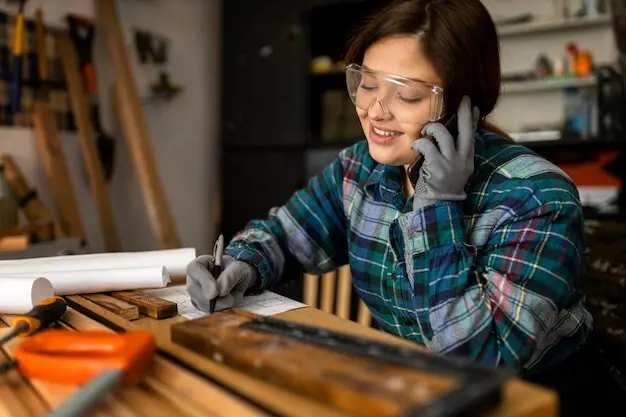
Some spaces offer supervised access to tools like 3D printers, laser cutters, and microcontrollers, blending creativity with repair. Perhaps a broken knob becomes a custom-printed replacement, or a cracked hinge gets a redesigned brace. Mentors explain safety, responsible sourcing, and respectful tool etiquette. You will sketch, iterate, and document, so others can reuse what you learned. Prototyping feels playful, yet it often unlocks practical fixes that manufacturers never considered worth supporting or selling.