Repairing Futures Across the UK

Today we explore workforce pathways built through UK community repair initiatives—skills training and apprenticeships that start at repair cafés, libraries of things, and circular hubs. Meet mentors, practice with real tools, earn recognition, and move from first fix to paid roles, while strengthening neighborhoods, cutting waste, and building confidence through shared, hands-on problem‑solving.

Real Tools, Real Mentors

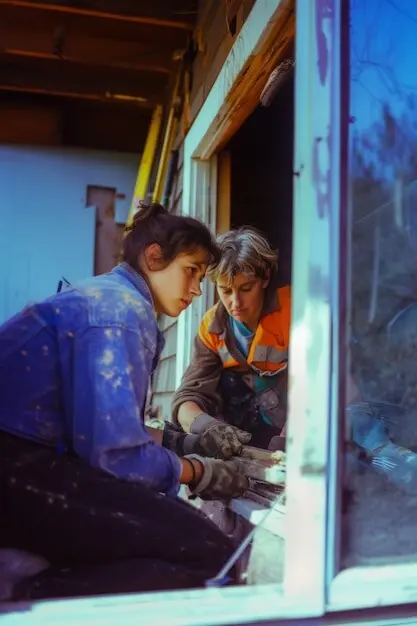
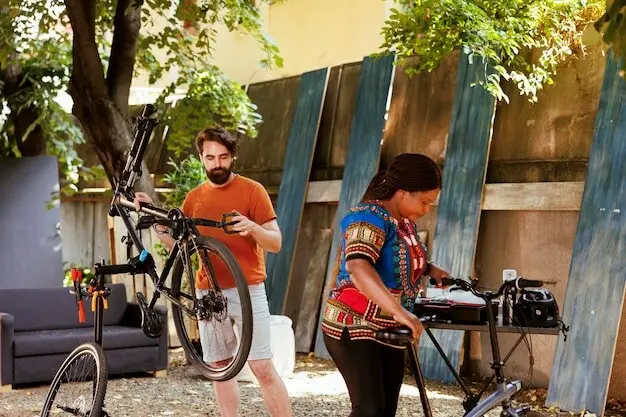
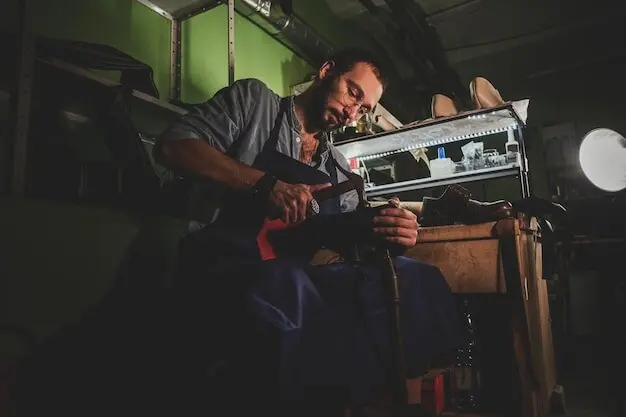
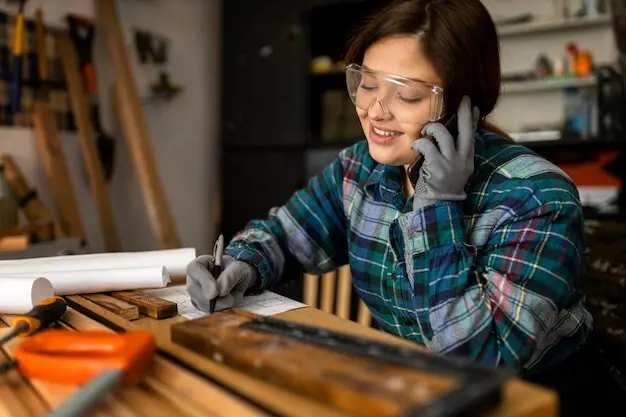
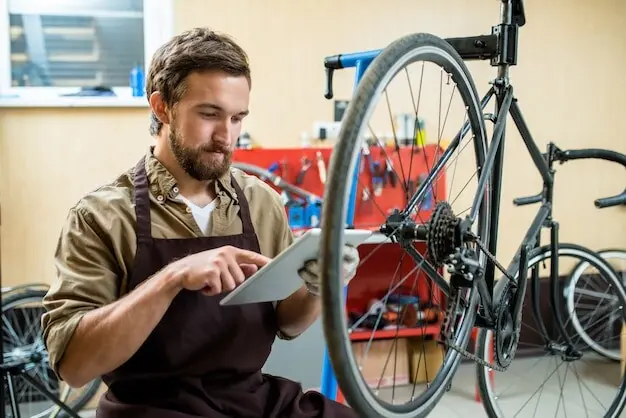
Side by side with retired engineers, appliance technicians, and patient tinkerers, newcomers learn safe tool handling, methodical diagnostics, and respectful communication with device owners. Guided decisions—repair, salvage, or recycle—instill judgment, while small wins, like a humming blender, turn nerves into momentum and curiosity into durable capability.

Learning That Sticks

Because every item arrives with a story, learners connect technique to context: a heirloom lamp suggests careful documentation; a school laptop demands data sensitivity; a wheelchair motor requires empathy and precision. Muscle memory forms through repetition, reflection journals, and checklists that transform fragile understanding into dependable practice.

Confidence Through Contribution

Public gratitude during fix events reinforces progress, but so do honest debriefs after tough attempts. Tracking near-misses, spare parts used, and warranty advice teaches humility and service mindset, preparing candidates for transparent, safety-forward workplaces where accountability is valued as highly as speed.

From Broken to Hired: How a Fix Becomes a Career

A Saturday repair session becomes a guided learning pathway: intake triage sharpens diagnostics, teardown builds mechanical literacy, reassembly teaches patience, and testing grounds accountability. With every logged fix, volunteers accumulate hours, references, and stories that translate into internships, traineeships, and first technician jobs across local employers.

Standards, Badges, and Recognised Pathways

Community workshops align practice with UK qualifications frameworks, mapping tasks to City & Guilds, NVQ, or BTEC units. Tutors issue micro‑credentials for diagnostics, soldering, PAT basics, and customer care, creating portable evidence that complements references, attendance records, and supervisor sign‑offs trusted by employers and colleges.

Apprenticeships That Start at the Community Table

Repair events offer employer‑scouted talent, evidenced ability, and coachability. Partnerships with independent shops, facilities teams, housing associations, and manufacturers turn volunteering hours into structured work experience, pre‑apprenticeships, and apprenticeships, supported by levy transfers, shared supervision, and realistic job previews that reduce turnover and onboarding risk.

Opening Doors for Everyone

Repair spaces feel welcoming because they start with community needs, not gatekeeping. Flexible sessions, travel bursaries, and careful safeguarding help young people, career‑changers, refugees, and returners build momentum. Success is measured in belonging, confidence, and pay progression, not just certificates, though those arrive too.

Circular Skills for a Net‑Zero Economy

Every successful fix defers emissions embodied in new manufacturing, keeps parts in circulation, and teaches frugal design thinking. Learners grasp material hierarchies, repairability indices, and right‑to‑repair advocacy, aligning career growth with meaningful climate action that employers, local authorities, and funders increasingly prioritise and reward.

Extending Life, Cutting Carbon and Cost

From reseating a laptop keyboard to replacing a washing machine pump, the avoided purchases are measurable. Learners practice simple carbon calculators and customer conversations that frame savings clearly, building commercial awareness while reinforcing environmental literacy that differentiates technicians in procurement‑sensitive, sustainability‑focused organisations.

Data That Improves Products and Policy

Fault logs, part scarcity notes, and time‑to‑fix data inform design feedback to manufacturers and evidence to councils. Aggregated responsibly, this insight supports right‑to‑repair campaigns, targeted training modules, and local reuse infrastructure, closing loops while opening employment niches in diagnostics, logistics, and refurbishment.

Learning by Doing, Sharing, and Storytelling

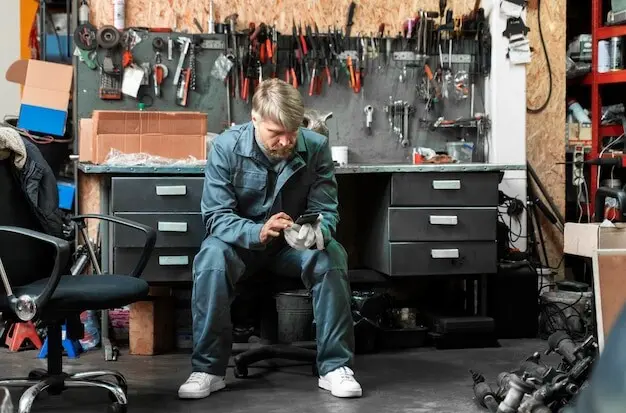
Hands‑on pedagogy thrives when practice is social and reflective. Whiteboard deconstructions, tear‑down circles, and show‑and‑tell tables make tacit knowledge visible. Learners teach back, mentors model questions, and everyone journals decisions, transforming scattered tips into repeatable methods that travel confidently into workplaces.

Your Next Step Starts with a Screwdriver

Join a local session, bring a broken item, or sponsor a toolkit. Subscribe for event dates, volunteer call‑outs, and apprenticeship openings. Share questions in the comments, refer a friend, or propose partnerships—together we grow skilled, employable neighbours while keeping useful things in service longer.
Vexonexopalosentolivotelidavo
Privacy Overview

This website uses cookies so that we can provide you with the best user experience possible. Cookie information is stored in your browser and performs functions such as recognising you when you return to our website and helping our team to understand which sections of the website you find most interesting and useful.